
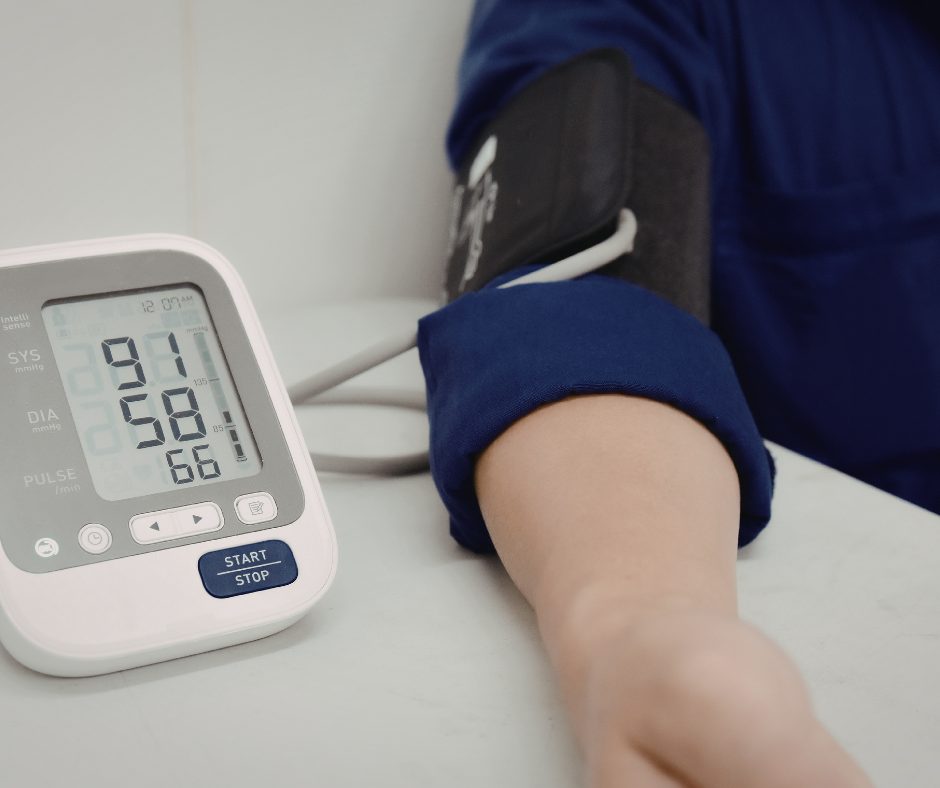
Blood pressure affects your health every single day, even when you feel completely fine. Many people see their readings and feel confused, yet the numbers tell a clear story. When you understand that story, you gain more control over your long‑term health. This guide helps you review your numbers with greater confidence.
Why Blood Pressure Matters More Than You Think
Although blood pressure seems simple, it reflects how hard your heart works every moment. Your heart pushes blood through your arteries, and that pressure keeps your body alive. When the pressure rises or falls too much, your body sends signals that something needs attention. Because these signals often stay silent, you must understand your numbers before problems appear.
Your reading includes two numbers that work together. The first number shows the pressure when your heart beats. The second number shows the pressure when your heart rests. Even though the numbers look small, they reveal important information about your heart and arteries. When you learn how to read them, you make stronger choices for your health.
What the Two Numbers Really Mean
You see two numbers each time you check your blood pressure. These numbers show how your heart and arteries behave during each heartbeat. The top number is the systolic pressure. It measures the force of your heart’s contraction. The bottom number is the diastolic pressure. It measures the force exerted by your heart when it relaxes.
Although both numbers matter, many people focus only on the top number. However, the bottom number also plays a major role in your long‑term health. When either number rises too high, your heart works harder than it should. When either number drops too low, your body may not get enough oxygen. Because of this, you must understand both numbers rather than focusing on just one.
When either blood pressure number rises too high, your heart and arteries experience increased strain. The top number rises when your heart pushes blood with too much force during each beat. This strong force makes your arteries work harder to handle the pressure. Over time, this steady strain can make your arteries stiff and less flexible.
The bottom number rises when your arteries stay tight even while your heart rests. This means your blood vessels do not relax properly between beats. Your heart then works harder all day because it never gets a real break. This constant pressure can place long‑term stress on your heart and circulation.
When both numbers rise together, your heart experiences more exertion. Your arteries feel pressure during every beat and every rest period. This creates a cycle in which your heart pushes harder and your arteries resist more.
How to Read Your Blood Pressure Results
You can read your blood pressure results with confidence once you know the basic ranges. These ranges help you determine whether your numbers fall within a healthy range. They also help you notice changes early, even when you feel normal. Although the ranges look simple, they guide many important decisions.
The normal blood pressure range indicates healthy blood pressure.
Usually, around 120/80 mmHg, a normal range means your heart pumps blood with steady force. Your arteries stay relaxed, and your body receives oxygen without extra strain. Because normal numbers support long‑term health, you should check them often and track any changes.
Elevated ranges show early warning signs.
Usually between 120–129 systolic and under 80 diastolic, an elevated range means your pressure sits slightly above normal. Although it does not signal a crisis, it indicates your heart is working harder than before. You should monitor this range because it often increases over time without clear indicators.
The high blood pressure range shows increased strain on your heart.
A high blood pressure reading, 130/80 mmHg or higher, places greater strain on your heart and arteries. Your heart pumps blood with greater force, and your arteries experience higher pressure with each beat. These numbers need close attention because they can affect long‑term health.
Low blood pressure means reduced energy
If the reading is below 90/60 mmHg, it indicates reduced oxygen flow through your body. Some people feel dizzy or light‑headed when their pressure drops too low, especially when standing up quickly.
Why Your Blood Pressure Changes Throughout the Day
Your blood pressure changes for many reasons, even when you feel calm. These changes happen because your body reacts to your environment. Although the shifts seem random, they follow clear patterns. When you understand these patterns, you feel less stressed about normal changes.
Your pressure rises when you move, exercise, or feel stressed. It also rises when you drink caffeine or experience strong emotions. However, your pressure drops when you rest, breathe slowly, or relax your muscles. Because your body responds to daily events, your numbers fluctuate throughout the day.
Although these changes seem small, they help your body stay balanced. Your heart adjusts its force to match your activity level. When you understand these natural shifts, you read your numbers with more confidence and less fear.
How to Measure Your Blood Pressure at Home
You can measure your blood pressure at home with a simple device. Although the process appears simple, you must follow a few steps to ensure accurate results.
- Sit in a relaxed position before checking. Your body needs a few minutes to settle before you measure your pressure. When you sit quietly, your heart slows down and gives a more accurate reading. Because movement affects your numbers, you should avoid talking or shifting during the test.
- Place the cuff on your bare upper arm. The cuff must sit directly on your skin for accurate readings. When the cuff is worn over clothing, the device may apply pressure unevenly. This can change your numbers and create confusion. Because accuracy matters, you should always place the cuff on your bare arm.
- Keep your arm supported at heart level. Your arm position affects the pressure inside your arteries. When your arm sits too high or too low, your reading may change. Therefore, rest your arm on a table or pillow at heart level.
These steps help you measure your numbers with confidence. When you follow them each time, you build a clear picture of your long‑term health.
How Lifestyle Habits Influence Your Numbers
Your daily habits affect your blood pressure more than you may realize. Although genetics play a role, your choices shape your numbers each day. When you understand these influences, you gain more control over your health.
Your pressure rises when you feel stressed, eat salty foods, or stay inactive. It also rises when you sleep poorly or drink too much caffeine. However, your pressure drops when you move, drink water, and get enough rest. Because your habits shape your numbers, small changes can create big improvements.
Although these changes take time, they help your heart work with less strain. When you build healthier habits, your numbers often move in a better direction. This gives you more confidence and peace of mind.
When to Pay Closer Attention to Your Numbers
You should monitor your blood pressure more closely if your readings change frequently. Although small shifts are normal, large jumps may signal something important. When you track your readings over time, you notice patterns that help you understand your health.
You should also pay attention when you feel dizzy, tired, or light‑headed. Although these symptoms can have many causes, they may be related to your blood pressure. When you stay aware of these signs, you respond faster and with more clarity.
Because your numbers reflect your heart’s workload, you should never ignore sudden changes.
You have more control over your blood pressure than you may realize. Even minor changes can shift your numbers in a better direction. Many people see improvements within weeks when they stay consistent. If you start today, your heart will thank you tomorrow.
