
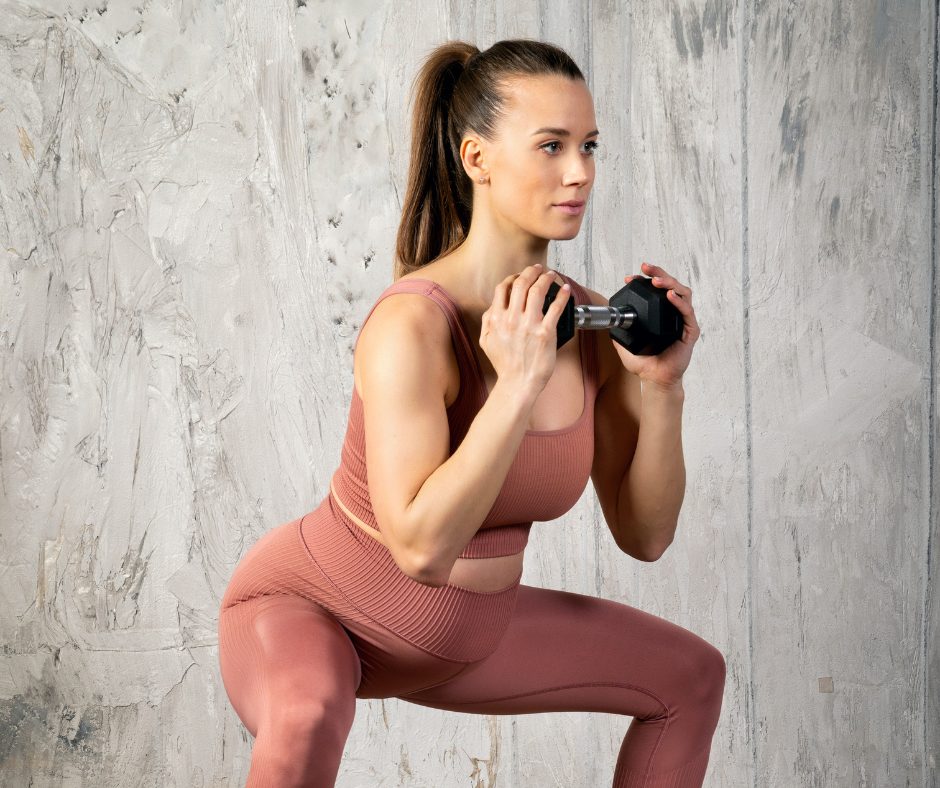
Beginner-friendly exercises provide your heart with a safe, steady path toward better health.
Have you ever wondered where to start when every workout seems too intense? Many beginners feel unsure because they fear making mistakes. Yet your heart does not need extreme effort to grow stronger. It responds well to simple, safe, steady movements. When you take small steps today, you build habits that support your heart for years to come.
1. Modified Jumping Jacks – First Beginner Friendly Exercise
Modified jumping jacks offer a gentle version of the classic move. You step side to side instead of jumping. You also raise your arms overhead in a smooth motion. This keeps your heart rate steady without heavy impact. It supports gentle cardio and improves blood flow. You perform this exercise by standing tall with your shoulders relaxed. Then you step your right foot out while lifting both arms. Next, you return to the center and repeat on the left side. Maintain a slow, controlled pace to protect your joints.
You can perform modified jumping jacks for 30 to 45 seconds. Repeat this for three rounds with short breaks. You can practice this three to five times a week. It helps beginners build confidence because the movement feels simple. You should avoid fast steps if you feel dizzy or tired. You should also keep your knees soft to reduce pressure. This exercise supports your heart without overwhelming your body.
2. Shadowboxing – A Simple Exercise for Core Strength
Shadowboxing gives you a fun way to raise your heart rate. You can perform this by throwing light punches in the air while keeping your feet moving. Maintain a soft stance with your knees slightly bent. Additionally, keep your core tight for balance. This exercise offers gentle cardio because it uses steady upper‑body motion. It also boosts circulation and improves breathing rhythm.
You perform shadowboxing by standing with one foot forward. Then you punch straight ahead with your left hand. Next, you punch with your right hand while shifting your weight. Keep your punches light and controlled, while moving your feet in small steps to stay active. We recommend shadowboxing for 45 to 60 seconds per round. Repeat this exercise for three to four rounds, three times a week.
You should avoid locking your elbows during punches. You should also keep your shoulders relaxed to prevent strain. Shadowboxing feels playful, yet it still supports heart health. It also builds coordination and confidence.
3. Chair Step-Ups – A Beginner-Friendly Exercise for Steady Cardio Boost
Chair step-ups provide a steady cardio boost. You use a stable chair to lift your body weight. This movement strengthens your legs and supports heart pumping. It also improves balance by shifting your weight from one leg to the other. You perform this exercise by standing in front of a sturdy chair. Then you place your right foot on the seat. Next, you push through your heel and step up. You bring your left foot up to meet your right foot. Then you step back down with control.
You can perform chair step-ups for 10 to 12 repetitions per leg, for two to three rounds, and two to four times per week. It offers a safe way to raise your heart rate without running. As a precaution, avoid using a chair that wobbles or slides. Additionally, keep your chest lifted to protect your back. Chair step-ups help beginners feel strong.
4. Standing Side Taps – A Gentle Cardio Challenge
Standing side taps provide a gentle cardio challenge. You tap one foot out to the side while swinging your arms. This movement keeps your heart rate steady without heavy impact. It also improves coordination because your arms and legs move together. You perform this exercise by standing tall with your feet under your hips. Then you tap your right foot out while lifting your left arm. Next, you return to the center and switch sides.
You can perform standing side taps for 45 to 60 seconds. Try repeating this for three rounds, three to five times a week. It feels simple, yet it supports heart health through steady movement. You should avoid leaning too far to the side. You should also keep your steps light to protect your knees. Standing side taps help beginners stay active without stress.
5. Wall Push-Ups and Marching to Aid Heart Function
Wall push-ups with march combine strength and gentle cardio. You push your body away from a wall while lifting your knees. This supports heart pumping because your upper and lower body work together. You perform this exercise by standing an arm’s length from a wall. Then you place your palms on the wall at shoulder height. Next, you bend your elbows and lower your chest toward the wall. You push back to the start position. Then you lift one knee in a marching motion.
You can perform 10 wall push-ups followed by 10 marches. Repeat this for at least two to three rounds, two to four times per week. It strengthens your chest, arms, and core while supporting heart health. You should avoid standing too far from the wall. You should also keep your elbows soft to prevent strain. This exercise helps beginners build strength without pressure.
6. Seated Knee Raises – Great Option for Beginners With Limited Mobility
Seated knee raises offer a safe option for beginners with limited mobility. You sit in a sturdy chair and lift your knees one at a time. This movement supports gentle cardio by raising your heart rate gradually. It also strengthens your core and improves circulation. You perform this exercise by sitting tall with your feet flat. Then you lift your right knee toward your chest. Next, you lower it and lift your left knee.
Do this exercise for 45 to 60 seconds for three rounds, at least three to five times each week. It feels easy, yet it still supports heart health. A bonus tip: avoid leaning back, as it reduces core engagement. You should also keep your feet pointed forward for stability. Seated knee raises help beginners stay active in a safe position.
7. Arm Circles – Beginner’s Way To Improve Blood Flow
Arm circles provide a light cardio boost. You move your arms in smooth circles while keeping your core tight. This movement increases blood flow to your upper body. It also improves shoulder mobility and posture. You perform this exercise by standing tall with your arms extended. Then you draw small circles forward. Next, you reverse the circles after several seconds.
You can perform arm circles for 30 to 45 seconds in each direction and repeat this for two to three rounds. Do this exercise three to five times each week. It supports heart health through steady upper‑body motion. You should avoid raising your arms too high. You should also keep your neck relaxed to prevent tension. Arm circles help beginners warm up safely.
8. Squats (Bodyweight) – Raises Heart Rate
Squats offer a powerful way to support heart pumping. They use large muscles in the legs and core. This increases blood flow and raises your heart rate. You perform this exercise by standing with your feet shoulder‑width apart. Then you push your hips back and bend your knees. Next, lower your body until your thighs are nearly parallel. You push through your heels to return to standing.
You can perform 10 to 12 squats per round, repeating for two to three rounds. Practice squats two to four times each week. They help beginners build strength and improve circulation. You should avoid letting your knees collapse inward. You should also keep your chest lifted to protect your back. Squats support heart health through steady and controlled movement.
9. Standing Oblique Crunch – Engages Core Muscles and Improves Heart Function.
Standing oblique crunches support gentle cardio and core strength. You lift your knee toward your elbow while standing tall. This movement raises your heart rate while engaging your side muscles. You perform this exercise by placing your hands behind your head. Then you lift your right knee toward your right elbow. Next, you return to the center and switch sides.
You can perform standing oblique crunches for 45 to 60 seconds, repeating for three rounds. Do this exercise three to five times each week. It supports heart health by keeping your body moving. You should avoid pulling your head forward. You should also keep your steps controlled to protect your hips. This exercise helps beginners feel strong and balanced.
10. Squat to Jab – Beginner-Friendly Strength Training
The squat-to-jab exercise combines strength training with gentle cardio. In this movement, you perform a squat followed by two light punches, which helps increase your heart rate and improve coordination. To execute this exercise, start by standing with your feet shoulder-width apart. Lower your body into a controlled squat. Then, as you stand up, punch forward with your left hand, followed by a right-hand jab.
You can perform 10 to 12 squat‑to‑jab repetitions and repeat this for two to three rounds. Practice this exercise two to four times each week. It supports heart pumping by engaging both the upper and lower body. You should avoid punching too hard. You should also keep your core tight for balance. Squat-to-jab helps beginners feel powerful without strain.
Why These Beginner-Friendly Exercises Support Heart Health
Beginner-friendly exercises help your heart strengthen through steady movement in the early days. They avoid heavy impact while still increasing your heart rate. Additionally, they support circulation and respiratory rhythm. When practiced regularly, these exercises help your heart pump blood more efficiently, reducing strain on your body and boosting energy levels. Many people believe that heart exercises must be intense to be effective; however, gentle routines can also lead to significant improvements.
These beginner-friendly exercises help beginners maintain consistency. They feel simple and safe, which encourages the development of long-term habits. Additionally, they can easily be incorporated into short daily routines. Because the movements are controlled, they protect your joints. They also boost confidence since they feel achievable. By combining these exercises, you create a balanced routine that supports cardiovascular health, gentle cardio, and full-body strength.
Weekly Routine Example with these Beginner-friendly exercises
Here is a simple weekly plan using the beginner-friendly exercises above:
- Monday: Modified jumping jacks, squats, arm circles
- Wednesday: Shadowboxing, standing side taps, standing oblique crunch
- Friday: Chair step‑ups, squat to jab, wall push‑ups with march
- Optional Days: Seated knee raises for light movement
