

The serotonin tinnitus severity study has reshaped how clinicians understand the relationship between brain chemistry and the perception of sound. Although tinnitus has many triggers, recent findings show that serotonin may influence how loudly and intensely tinnitus is perceived. Because serotonin affects mood, sleep, and sensory processing, researchers now examine how serotonin tinnitus side effects may contribute to worsening symptoms in certain patients. As a result, this topic is gaining significant attention in both neuroscience and clinical medicine.
Understanding the Serotonin Tinnitus Severity Study
The serotonin tinnitus severity study explores how elevated serotonin levels influence the auditory system. Researchers have long known that serotonin regulates mood and emotional stability.
However, new evidence shows that serotonin also modulates neural circuits in the auditory brainstem. Consequently, this neurotransmitter may play a more direct role in tinnitus severity than previously believed.
Recent research indicates that increased serotonin levels—often caused by selective serotonin reuptake inhibitors (SSRIs), such as Fluoxetine, Sertraline, Paroxetine, Fluvoxamine, Citalopram, Escitalopram, and Vilazodone—can heighten tinnitus perception. Although SSRIs treat anxiety and depression, they may also activate specific neurons that amplify tinnitus signals. Because of this dual effect, serotonin is now viewed as both a mood regulator and a potential driver of tinnitus intensity.
How Serotonin Influences Tinnitus Severity
The serotonin tinnitus severity study highlights several mechanisms that explain why serotonin can worsen tinnitus in some individuals. These mechanisms involve changes in neural sensitivity, auditory processing, and brain‑stem signaling.
Serotonin Influences Tinnitus by activating fusiform cells in the dorsal cochlear nucleus (DCN).
Research shows that serotonin increases the firing rate of fusiform cells in the DCN. These cells help process sound signals. When serotonin levels rise, these cells become hypersensitive. This hypersensitivity mimics tinnitus‑like activity, making internal noise seem louder and more persistent.
The serotonin tinnitus severity study shows SSRIs may interfere with auditory processing.
Although SSRIs improve mood, they elevate serotonin throughout the brain. This widespread increase can disrupt normal auditory filtering. As a result, patients may notice that tinnitus becomes sharper, more intrusive, or more reactive to external sounds.
Inhibiting serotonin‑driven circuits may reduce tinnitus
Animal studies show that blocking the serotonin‑activated pathway in the DCN significantly reduces tinnitus behaviors. This discovery opens the door to new treatments that target tinnitus without affecting mood.
Serotonin tinnitus severity study advises clinicians to balance anxiety treatment with tinnitus risk.
Physicians often prescribe SSRIs for patients with anxiety‑related tinnitus. While these medications reduce emotional distress, they may also increase tinnitus loudness in some cases. Because of this, clinicians must evaluate each patient’s risk profile before initiating treatment.
Alternative therapies show promise.
New treatments such as SPI‑1005, which reduces inflammation and oxidative stress, may help decrease tinnitus severity without altering serotonin levels. These therapies offer hope for patients who cannot tolerate serotonin‑related side effects.
Each of these findings contributes to a deeper understanding of how serotonin shapes tinnitus perception. Because tinnitus varies widely between individuals, these insights help clinicians tailor treatment strategies more effectively.
Why Serotonin Acts as a Double‑Edged Sword
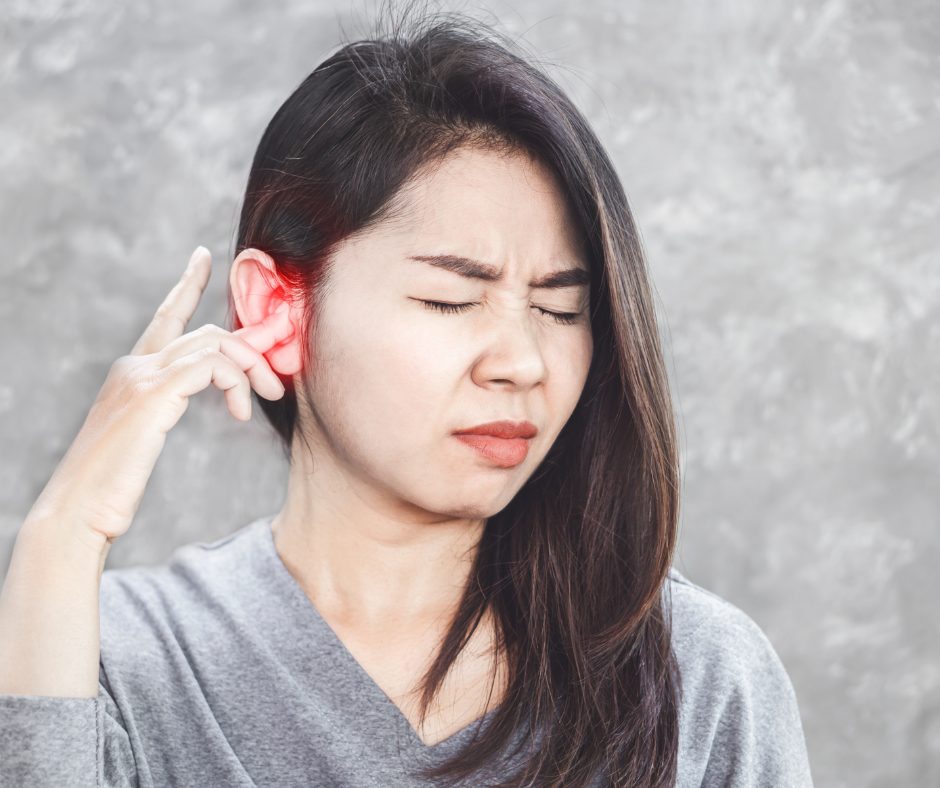
The serotonin tinnitus severity study emphasizes that serotonin plays a dual role in the brain. On one hand, serotonin stabilizes mood and reduces anxiety. On the other, it modulates neural circuits that influence sensory perception. This duality explains why some patients experience relief from tinnitus‑related distress while others notice increased loudness or intensity.
Serotonin acts as a key modulator in the neural network that produces tinnitus. When serotonin levels rise, the auditory system may become more reactive. This reactivity can intensify the internal noise associated with tinnitus. Because of this, serotonin’s impact depends on individual neurobiology, medication dosage, and underlying health conditions.
How SSRIs Influence Tinnitus Severity
The serotonin tinnitus severity study provides detailed insight into how SSRIs affect tinnitus. SSRIs increase serotonin by blocking its reuptake in the brain. Although this mechanism improves mood, it also increases serotonin exposure in auditory pathways.
Serotonin tinnitus severity study shows an increased neural firing in the DCN
SSRIs elevate serotonin levels, which activate fusiform cells. These cells then fire more rapidly, creating tinnitus‑like signals.
An Altered sensory gating is one of the serotonin tinnitus side effects
Serotonin influences how the brain filters sensory information. When serotonin levels rise, the brain may struggle to suppress internal noise.
Serotonin tinnitus severity study found a heightened emotional response to sound.
Because serotonin regulates emotional processing, changes in serotonin levels may increase sensitivity to tinnitus.
Other dose‑dependent serotonin tinnitus side effects.
Higher SSRI doses may produce stronger auditory side effects, although individual responses vary.
Despite these risks, SSRIs remain valuable for patients with severe anxiety or depression. In some cases, reducing emotional distress decreases tinnitus‑related suffering, even if the sound itself does not change.
Alternative Treatments Beyond Serotonin Pathways
The serotonin tinnitus severity study highlights the need for treatments that do not rely on serotonin modulation. Because serotonin can worsen tinnitus in some individuals, researchers are exploring therapies that target inflammation, oxidative stress, and neural plasticity.
SPI‑1005 (Ebselen)
This medication reduces inflammation and oxidative stress in the auditory system. Clinical trials show that SPI‑1005 may reduce tinnitus severity without affecting serotonin levels.
Neuromodulation therapies
Techniques such as bimodal stimulation retrain the auditory system. These therapies target neural circuits directly rather than altering neurotransmitters.
Nutritional and metabolic interventions
Antioxidants, magnesium, and anti‑inflammatory supplements may support auditory health. Although evidence varies, these interventions do not influence serotonin.
Behavioral therapies to avoid serotonin tinnitus side effects
CBT and tinnitus retraining therapy (TRT) help patients manage emotional responses to tinnitus. These therapies reduce distress without altering brain chemistry. Thus, it prevents some of the serotonin tinnitus side effects.
Because these treatments operate outside serotonin pathways, they may benefit patients whose serotonin‑related tinnitus worsens.
What the Serotonin Tinnitus Severity Study Means for Patients
The serotonin tinnitus severity study provides important insights for patients who experience tinnitus. Understanding how serotonin affects auditory processing helps patients make informed decisions about medication and treatment options.
- Serotonin can increase tinnitus loudness in some individuals. Elevated serotonin levels may activate auditory circuits that amplify tinnitus.
- SSRIs may worsen tinnitus but also reduce distress. The emotional relief provided by SSRIs can sometimes outweigh the auditory side effects.
- Not all patients experience serotonin‑related tinnitus changes. Individual neurobiology plays a major role in determining response.
- Alternative treatments are available. Patients who cannot tolerate serotonin‑related side effects have other therapeutic options.
- Communication with healthcare providers is essential. Patients should promptly report any changes in tinnitus to ensure safe and effective care.
Because tinnitus varies widely, patients benefit from personalized treatment plans that consider both emotional and auditory health.
Serotonin Tinnitus Severity Study: Implications for Future Research
The serotonin tinnitus severity study opens new avenues for scientific exploration. Researchers now examine how neurotransmitters shape auditory perception and how targeted therapies can reduce tinnitus severity.
- Developing medications that block serotonin‑activated auditory circuits. These treatments could reduce tinnitus without affecting mood.
- Identifying biomarkers that predict serotonin sensitivity. Biomarkers may help clinicians determine which patients are at risk for serotonin‑related tinnitus worsening.
- Exploring gene‑environment interactions. Genetic factors may influence how serotonin affects auditory processing.
- Studying long‑term effects of SSRIs on auditory health. Longitudinal studies will clarify how chronic serotonin elevation influences tinnitus.
Because tinnitus affects millions of people, these research efforts are essential for improving patient outcomes.
Patients benefit from understanding how serotonin affects tinnitus and from exploring alternative therapies when needed. As research advances, new treatments may emerge that target tinnitus directly without altering serotonin levels.
