
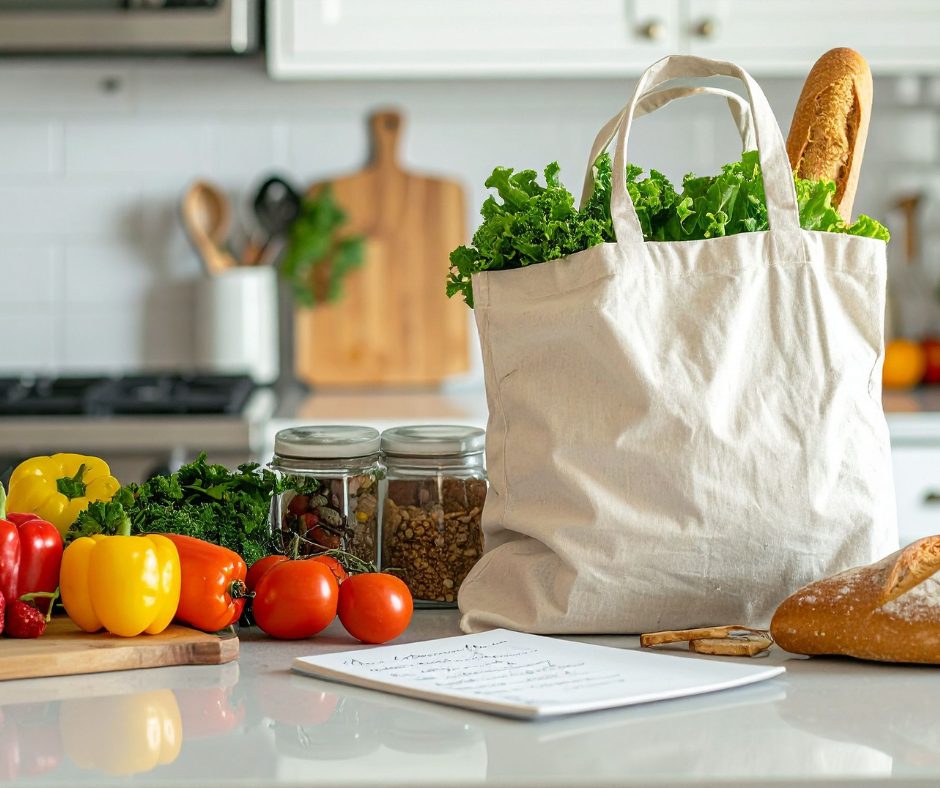
Do you make a brain‑healthy grocery list every week? This list helps you choose foods that support memory, focus, and long‑term cognitive function. Because the brain depends on a steady supply of nutrients, your grocery choices influence its daily performance. A brain‑healthy approach keeps your cart balanced and meals nutritious.
Why You Should Not Ignore Brain Health While Shopping
Your grocery cart shapes your brain’s environment. Every nutrient you bring home influences neuronal communication, energy flow, and inflammation. A brain‑healthy list matters because the brain uses significant energy and requires steady glucose, healthy fats, antioxidants, and vitamins to function.
When you ignore brain health while shopping, you miss the chance to support memory, learning, and mood. The brain relies on nutrients that protect cells from oxidative stress. It also depends on fats that keep cell membranes flexible. Because diet influences inflammation, your grocery choices can support long‑term brain resilience. A Brain‑Healthy Grocery List helps you stay intentional and informed.
Produce for a Brain‑Healthy Grocery List
A brain‑healthy grocery list starts with fresh produce, providing antioxidants, vitamins, minerals, and plant compounds. These nutrients protect neurons and promote cognitive function.
Leafy Greens: Kale, Spinach, Arugula, Collard Greens, Swiss Chard
Leafy greens belong at the top of every brain‑healthy grocery list. They contain vitamin K, folate, and lutein, which support brain cell communication and protect neurons from oxidative stress. Vitamin K helps brain cell structure, folate supports neurotransmitter production, and lutein protects memory.
Berries: Blueberries, Strawberries, Raspberries, Blackberries
Berries deliver powerful flavonoids that support brain health. Blueberries stand out for their anthocyanins, which help reduce oxidative stress and support neuronal communication. Strawberries, raspberries, and blackberries offer similar antioxidants, helping protect memory and support cognitive function.
Other Vegetables: Broccoli, Brussels Sprouts, Cabbage, Carrots, Celery
Broccoli and Brussels sprouts contain sulforaphane, which supports the brain’s antioxidant defenses. In contrast, cabbage provides vitamin C and fiber, carrots offer beta‑carotene for cellular protection, and celery offers antioxidants and hydration. These vegetables work together to reduce inflammation and protect brain cells, making them crucial for a brain‑healthy grocery approach.
Healthy Fats in Brain-Healthy Grocery: Avocados and Olives
Avocados and olives provide monounsaturated fats that help maintain flexibility in neuronal membranes and support communication. Avocados also supply vitamin E, an antioxidant that protects neurons, while olives contain polyphenols that support anti‑inflammatory pathways.
Proteins for a Brain‑Healthy Grocery List
Protein plays a vital role in neurotransmitter production and in maintaining steady energy levels. For a brain‑healthy grocery list, include seafood, plant‑based proteins, and lean animal proteins.
Fatty Fish: Salmon, Trout, Sardines, Mackerel, Anchovies
Fatty fish are essential because they contain DHA and EPA—omega‑3 fatty acids that support brain cell membranes. DHA maintains membrane fluidity for learning and memory, while EPA supports anti‑inflammatory pathways. The brain relies on omega‑3s for structure and function.
Beans and Legumes: Lentils, Chickpeas, Black Beans, Soybeans
Beans and legumes provide plant‑based protein, fiber, and slow‑release carbohydrates, helping maintain steady glucose levels to support brain energy. Lentils and chickpeas contain folate for neurotransmitter production, while soybeans offer plant‑based omega‑3s.
Brain‑Healthy Grocery: Poultry and Eggs
Poultry such as chicken and turkey, and Omega-3-enriched eggs, provide lean protein and B vitamins for brain energy metabolism. Eggs contain choline, which supports acetylcholine—important for memory and learning. Omega‑3-enriched eggs add brain‑supportive fats.
Healthy Fats and Pantry Staples for a Brain‑Healthy Grocery List
Pantry staples help you maintain a consistent brain-healthy routine. They support brain structure, provide energy, and offer antioxidant protection.
Oils: Extra Virgin Olive Oil
Extra virgin olive oil should be on every brain‑healthy grocery list. It contains polyphenols that support anti‑inflammatory effects and protect neurons from oxidative stress. Olive oil’s monounsaturated fats support brain cell membranes, making it a preferred cooking oil.
Nuts and Seeds: Walnuts, Almonds, Flaxseed, Chia Seeds
Walnuts provide plant‑based omega-3 fatty acids for brain cell structure. Almonds provide vitamin E, which helps protect neurons. Flaxseed and chia seeds provide fiber and alpha‑linolenic acid, supporting energy stability and cell protection. These nuts and seeds deliver valuable brain benefits.
Whole Grains: Oats, Quinoa, Brown Rice, Whole‑Wheat Pasta, Barley
Whole grains support a brain‑healthy approach by slowly releasing glucose, providing the brain with steady energy. They also contain B vitamins for metabolism, with oats offering soluble fiber for gut health and quinoa providing complete protein.
Condiments and Snacks: Dark Chocolate and Green Tea
Dark chocolate contains flavanols for brain blood flow. Green tea contains L‑theanine, which supports calm focus. Both offer antioxidants that protect neurons. Used in moderation, they fit a brain‑healthy grocery plan.
Spices and Herbs for a Brain‑Healthy Grocery List
Spices and herbs add flavor and support brain health with anti‑inflammatory compounds.
Turmeric, Cinnamon, Ginger, Garlic, Rosemary, Thyme, Oregano
Turmeric contains curcumin for antioxidant pathways. Cinnamon supports glucose stability. Ginger and garlic aid anti‑inflammatory responses. Rosemary, thyme, and oregano contain compounds that protect brain cells and reduce oxidative stress.
Foods to Limit in a Brain‑Healthy Grocery Plan
A Brain‑Healthy Grocery List limits foods that increase inflammation or oxidative stress.
- Red meat contains saturated fats, which may promote inflammation.
- Butter and stick margarine contain fats that may affect brain cell membranes.
- Cheese contains saturated fats and sodium.
- Pastries and sweets cause rapid glucose spikes.
- Fried and fast foods contain fats that may increase oxidative stress.
Limiting these foods supports a brain‑healthy routine by reducing stress on brain cells.
Supplements in a Brain‑Healthy Grocery Plan (Strong Mechanism‑Based Section)
Some people include supplements as part of a brain‑healthy routine. Supplements are best used to support— not replace—general nutrition.
Add Omega‑3 Supplements to Your Brain‑Healthy Grocery
Omega‑3 supplements contain DHA and EPA. These fatty acids support the structure of brain cell membranes. DHA maintains fluidity for learning and memory. EPA supports anti‑inflammatory pathways. They may support general brain health when used appropriately.
Add Vitamin B12 Supplements to Your Brain‑Healthy Grocery
Vitamin B12 supports myelin, the protective covering around nerves. It also supports brain energy metabolism. When B12 levels fall, cognitive changes may appear. Supplements may support general health when levels are low. Because B12 supports nerve function, it plays a role in a Brain‑Healthy Grocery approach.
How to Tell if Brain‑Healthy Eating Is Working (Mechanism‑Based)
A brain‑healthy grocery routine supports cognitive function. Changes occur gradually as the brain responds to a regular diet.
A Brain‑Healthy Grocery Gives Cognitive Clarity
Some notice clearer thinking because antioxidants reduce oxidative stress in the brain and omega‑3s support neuronal communication, aiding clarity.
Get Steadier Energy from Brain‑Healthy Grocery
The brain uses glucose for energy. Whole grains and legumes support consistent energy by releasing glucose slowly. This may reduce energy dips during the day.
Balance Your Mood With Brain‑Healthy Grocery
Nutrients influence neurotransmitters. Omega‑3s support membranes, and B vitamins aid metabolism. These mechanisms may support mood over time.
