
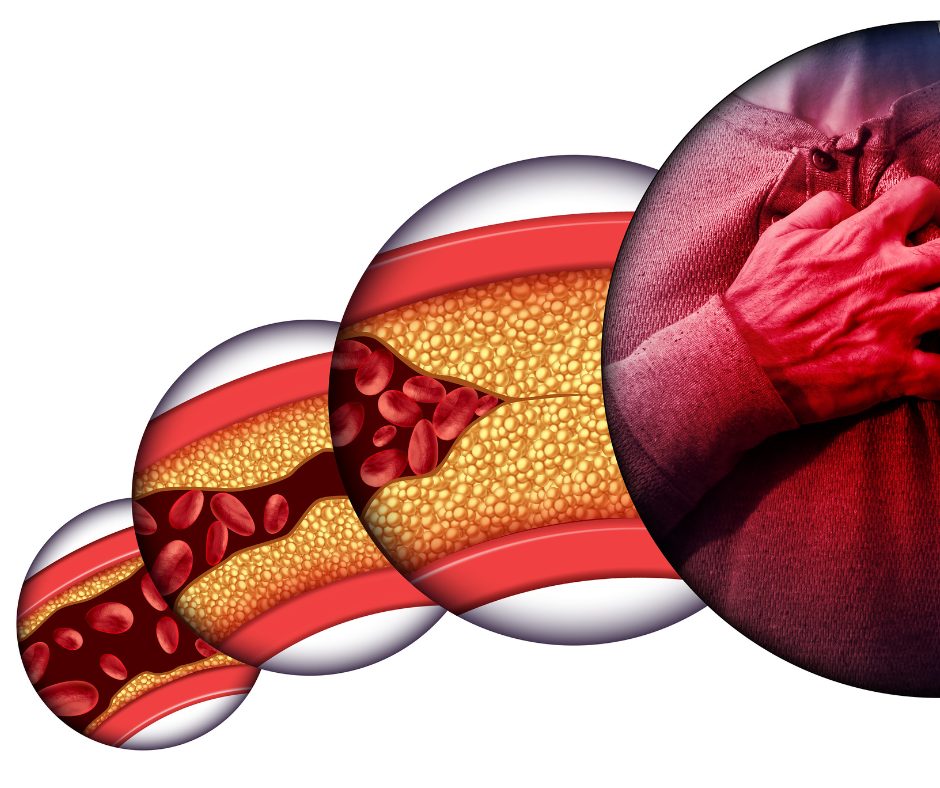
The warning signs of heart disease often appear long before a major health crisis, yet many people overlook them because they seem mild or unrelated. Many early symptoms are easy to dismiss, but they still indicate real strain on the heart. When people recognize these signs, they can act early to protect their long‑term health. This blog explores the subtle clues many people miss and explains why early action matters more than most realize.
Heart disease remains one of the leading causes of death worldwide, yet many cases are preventable when people recognize early symptoms. Many individuals assume heart problems appear suddenly, but the truth is very different. The body often sends signals months or even years before a major event. Because these signals feel mild, people often ignore them. However, early detection gives people a chance to change habits, seek medical guidance, and reduce long‑term risk.
Why Early Detection Matters?
Many people also misunderstand how heart disease develops. They often think it affects only older adults, but younger adults face rising risks because of stress, poor sleep, and lifestyle changes. When people learn to recognize early symptoms, they can protect their health before damage becomes severe. This awareness also helps families support each other, since heart disease often runs in families.
Subtle Warning Signs of Heart Disease People Often Ignore
Many early symptoms manifest during daily activities, so people assume they are due to stress or fatigue. However, these symptoms often reveal deeper issues. When the heart struggles, the body tries to compensate, and that creates noticeable changes. These changes may feel small, but they still matter.
Below are common early symptoms that people often overlook:
- Unusual shortness of breath. Many people experience shortness of breath during routine tasks, yet they attribute it to being tired or out of shape. However, the heart pumps oxygen throughout the body, so changes in breathing often signal early strain. When people experience breathlessness during mild activity, they should pay attention, as it may indicate reduced cardiac function.
- Chest pressure or tightness. Chest pressure does not always feel sharp or painful. Sometimes it feels like a heavy weight or a squeezing sensation. Many people ignore this feeling because it comes and goes. However, this pressure often appears when the heart struggles to receive enough oxygen. Even mild pressure warrants attention, as it may be an early sign of blocked arteries.
- Unexplained fatigue. Fatigue often feels like a normal part of life, but persistent fatigue may signal heart strain. When the heart cannot pump efficiently, the body receives less oxygen, which causes deep fatigue. People often push through this feeling, but early fatigue remains one of the most common early symptoms of heart disease.
Each of these symptoms may appear mild, yet they still reflect real changes in heart function. When people recognize these signs, they can act early to protect their long‑term health.
The Warning Signs of Heart Disease People Miss Most Often
The warning signs of heart disease often appear in ways people do not expect. Many individuals assume heart symptoms always involve sharp chest pain, but early signs often look very different. Because these signs feel vague, people often ignore them. However, these subtle symptoms still provide important insights into heart health.
1. Persistent swelling in the legs or ankles
Swelling in the legs or ankles often appears when the heart struggles to pump blood effectively. When blood flow slows, fluid builds up in the lower body. Many people attribute this swelling to long workdays or prolonged standing, but persistent swelling often indicates early heart strain. When swelling occurs with fatigue or shortness of breath, the risk increases further.
2. Irregular heartbeat or fluttering sensations
Many people experience occasional heart flutters, but frequent irregular heartbeats may indicate early heart disease. When the heart struggles to maintain a steady rhythm, it often reflects electrical or structural changes. People often ignore these sensations because they last only a few seconds. However, irregular rhythms may increase long‑term risk, so early evaluation remains important.
3. Pain in the neck, jaw, or upper back
Heart‑related pain does not always appear in the chest. Many people feel discomfort in the neck, jaw, or upper back instead. This pain often appears during activity and fades during rest. Because the pain is mild, people often assume it is due to muscle tension. However, this pattern often reflects reduced blood flow to the heart. When people notice this pain during activity, they should take it seriously.
These symptoms often appear long before a major event, so early awareness remains essential. When people recognize these signs, they can act early to protect their health.
How lifestyle choices influence early symptoms
Lifestyle plays a major role in heart health, and many early symptoms arise from daily habits that strain the heart. When people understand how lifestyle affects heart function, they have the opportunity to make meaningful changes. These changes often reduce symptoms and improve long‑term health.
Below are key lifestyle factors that influence early symptoms:
- Poor sleep quality – It increases stress hormones, raises blood pressure, and strains the heart. Many people ignore sleep problems, but chronic sleep issues often appear before major heart symptoms. When people improve their sleep quality, they often reduce early warning signs.
- High stress levels – Stress affects the heart more than most people realize. It increases heart rate, raises blood pressure, and disrupts normal rhythms. Many people live with constant stress, so they assume these feelings are normal. However, chronic stress often triggers early symptoms of heart disease.
- Unbalanced diet – Diet plays a major role in heart health. High salt intake increases blood pressure, while high sugar intake raises inflammation. Many people eat processed foods daily, so they overlook the long‑term impact. However, diet changes often reduce early symptoms and improve overall heart function.
Each of these factors influences heart health in different ways. When people address these habits early, they often reduce symptoms and protect their long‑term health.
The Warning Signs of Heart Disease that Appear During Activity
The warning signs of heart disease often become more noticeable during physical activity. When the heart works harder, early symptoms appear more clearly. Many people ignore these signs because they assume they are simply out of shape. However, activity‑related symptoms often reveal early heart strain.
1. Shortness of breath during mild exercise is a warning sign of heart disease
Shortness of breath during mild exercise often signals reduced heart function. When the heart cannot pump enough oxygen, the body struggles during activity. Many people attribute this to poor fitness, but persistent breathlessness often reflects underlying issues.
2. Chest tightness during walking or climbing stairs
Chest tightness during mild activity often appears when the heart receives less oxygen. This tightness may feel mild, but it still reflects reduced blood flow. When people notice this pattern, they should take it seriously because it often signals early artery blockage.
3. Dizziness or lightheadedness during activity is another early warning sign of heart disease
Dizziness during activity often appears when the heart struggles to maintain steady blood flow. Many people ignore this feeling because it fades quickly. However, dizziness often signals early heart strain, especially when it appears with fatigue or chest pressure.
These symptoms often appear early, so people should pay attention when they notice them. Early awareness gives people a chance to act before symptoms become severe.
How Family History Influences Early Symptoms of Heart Disease
Family history plays a major role in heart disease risk. When heart disease runs in families, early symptoms often appear sooner. Many people do not realize how much genetics influences heart health. However, family history often shapes how early symptoms appear and how quickly they progress. For example, a woman with a strong family history of heart disease often develops shortness of breath and chest pressure earlier in life because her inherited risk accelerates how quickly these symptoms appear and progress. Likewise, a man with a parent who had early heart disease often notices fatigue and swelling sooner because his genes increase the speed of symptom development.
People with a family history of heart disease should pay close attention to early symptoms. They should also maintain regular checkups because early detection remains essential. When people understand their genetic risk, they gain a chance to act early and protect their long‑term health.
When to Seek Medical Guidance
People should seek medical guidance when early symptoms appear often or become more noticeable. Many individuals wait too long because they assume symptoms will fade. However, early evaluation remains essential because it helps people understand their risk and take action.
Below are key moments when people should seek guidance:
- When symptoms appear during mild activity, they often reflect early heart strain. When people notice this pattern, they should seek an evaluation, as early action reduces long‑term risk.
- When symptoms appear with a family history, the risk increases, so early symptoms warrant attention. When people combine symptoms with family history, they should seek guidance quickly.
- When symptoms appear, lifestyle risk factors – Poor sleep, high stress, and an unbalanced diet- increase risk. When symptoms appear with these factors, early evaluation becomes even more important.
Each of these situations reflects increased risk, so early guidance remains essential.
Many people look for simple ways to support heart health from an early age, and some over‑the‑counter options may help when used with care. The warning signs of heart disease often appear early, so people often turn to supplements that support overall wellness. Omega‑3 fatty acids support heart function because they help reduce inflammation and support healthy cholesterol levels. Many people also use magnesium because it supports a steady heart rhythm and helps relax blood vessels. Some individuals choose low‑dose aspirin for general heart support, yet this option still carries risks. Each supplement works differently and affects the body in unique ways. Because these products can still affect heart function, people should consult a doctor before using them, especially when early symptoms appear or when family history increases the risk.
The warning signs of heart disease often appear long before a major event, yet many people overlook them because they seem mild or unrelated. When people recognize these early signs, they can act promptly to protect their long‑term health. Early awareness also helps families support each other, especially when heart disease runs in families.
