
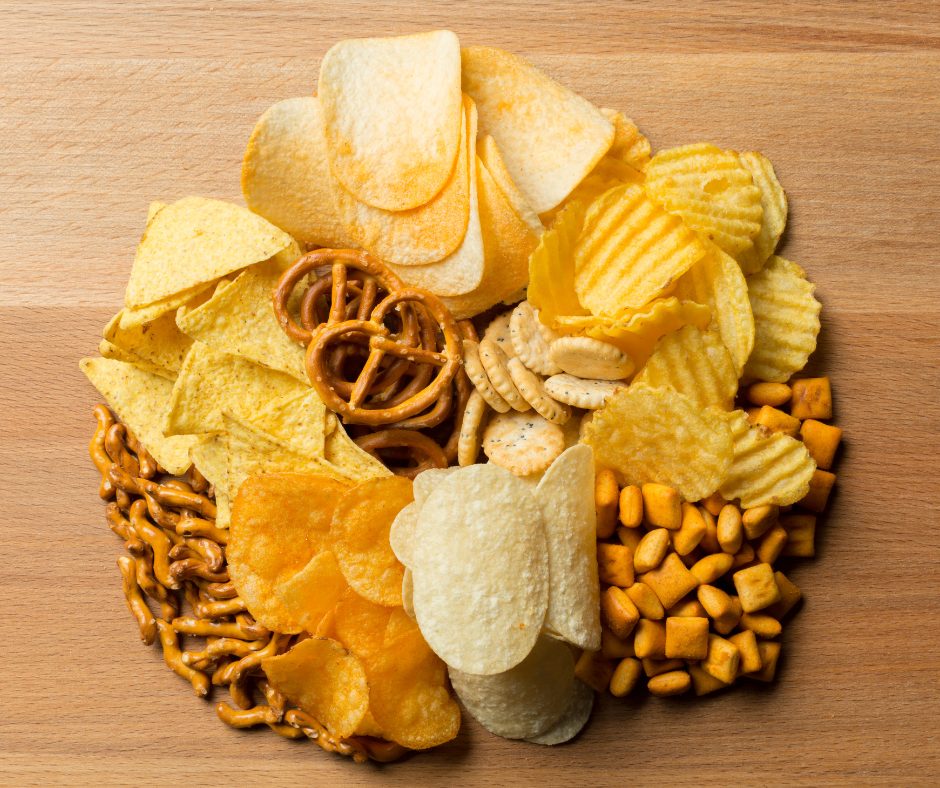
Ultra‑processed foods shape how many people eat today, and the impact grows each year. These foods sit on every shelf and fill many of our lunch bags. They are even popular as quick meals during busy weeks. Yet the latest research shows clear danger and the risks are real. The effects are serious. And the concern matters even more for people in Winnipeg, where food access, long winters, and busy lifestyles push many toward packaged choices.
What the Latest Research Says
Recent Canadian research paints a clear picture. McMaster University led a major study that examined the diets of 6,000 Canadians. The team found strong links between ultra‑processed foods and high blood pressure, high cholesterol, obesity, and inflammation. The researchers also noted that these risks stayed high even when they adjusted for age, weight, income, and activity level. This means the foods themselves may drive harm, not only lifestyle choices.
Another study from McMaster University confirmed these findings. It showed that ultra‑processed foods raise inflammation and heart disease markers even when people maintain normal weight and healthy habits. The study warned that additives, emulsifiers, and engineered ingredients may play a bigger role than once believed.
Health Canada and CIHR also hosted a national research exchange to review the growing evidence. Experts agreed that ultra‑processed foods now dominate the Canadian food supply. They also warned that these foods link to chronic disease, poor diet quality, and long‑term health decline.
This research matters for Winnipeg. The city faces long winters, limited fresh produce access in some areas, and high reliance on packaged foods. Many families choose shelf‑stable items because they cost less or last longer. Yet these choices can raise long‑term health risks. The research helps people understand the danger and make better choices.
What Ultra‑processed Foods Are
Ultra‑processed foods go far beyond simple packaged snacks, and come from industrial formulas. They use additives, colours, flavours, and stabilizers- ingredients not commonly found in home kitchens. They also rely on heavy processing that changes the food structure.
These foods taste good. They feel convenient. They last longer. Yet they offer little to no nutrition. To make matter worse, they push people to overeat because they digest fast and trigger cravings.
Ultra‑processed Foods List
Below are common examples of ultra‑processed foods.
- Sugary breakfast cereals: Many cereals use refined grains, added sugars, colours, and flavours. These products digest fast. They spike blood sugar. They also contain additives that change texture and taste. Ultra‑processed foods like these often replace balanced breakfasts.
- Packaged snacks like chips and cheese puffs: These snacks use engineered starches, artificial flavours, and emulsifiers. They offer almost no nutrients. They also encourage overeating because they melt fast in the mouth. This “vanishing calorie” effect makes people eat more without feeling full.
- Frozen pizzas and instant meals: These meals rely on preservatives, stabilizers, and processed meats. They contain high sodium levels and refined oils that raise inflammation. Ultra‑processed foods in this category often replace home‑cooked meals.
- Sugary drinks and energy beverages: These drinks contain sweeteners, colours, and acids. They offer no fiber or nutrients. They also raise the risk of diabetes and heart disease. Ultra‑processed foods in liquid form digest even faster and are responsible for blood sugar spikes.
- Candy, chocolate bars, and packaged desserts: These items use refined sugars, artificial flavours, and hydrogenated oils. Like packaged snacks and instant meals, they trigger cravings and raise inflammation. They are the most common replacement for healthy snacks.
What Percentage of Our Groceries Are Ultra‑processed Foods
Statistics Canada reports that ultra‑processed foods now dominate the Canadian food supply. Although the report covers national data, the trend applies to Winnipeg as well. Many households rely on packaged foods due to cost, convenience, and long winters.
Research shows that over half of the calories Canadians consume come from ultra‑processed foods
This percentage poses major health risks. When more than half of a diet comes from engineered products, people lose access to fiber, vitamins, and minerals. They also eat more sugar, sodium, and unhealthy fats.
This pattern raises the risk of:
- Heart disease: Ultra‑processed foods raise inflammation, blood pressure as well as cholesterol levels. As a result, they put your heart at risk.
- Weight gain: These foods digest fast and trigger cravings. They also encourage overeating, leading to weight gain.
- Diabetes: Studies show, these foods spike blood sugar level, reduce insulin sensitivity, and eventually increase diabetes risk.
- Digestive issues: These foods lack fiber. They also contain additives that may disrupt gut bacteria. Gut bacteria has a huge role in breaking down complex fibers and helping your body absorb nutrients more efficiently. They also improve digestion and reduces discomfort by keeping harmful microbes in check.
For a province like Manitoba, this matters even more. Many communities have limited access to fresh produce. Moreover, as winters reduce local supply, people rely heavily on packaged foods. This increases exposure to ultra‑processed foods and raises long‑term health risks.
Difference Between Processed and Ultra‑processed Foods
Processed foods and ultra‑processed foods are not the same.
Processed foods include items like canned beans, frozen vegetables, or whole‑grain bread. These foods use simple processing to improve safety or shelf life. They still look like real food, and still offer nutrients.
Ultra‑processed foods on the other hand use industrial formulas. They contain harmful ingredients like additives, colours, flavours, and engineered edibles. They no longer resemble whole foods. Moreover, intense industrial processing strips these foods of their natural nutrients.
A simple way to tell the difference:
- Processed foods keep their original structure – You can still see the grain, bean, or vegetable. The food stays close to its natural form.
- Ultra‑processed foods lose their original structure – The food becomes a blend of powders, oils, and additives. It no longer looks like the original ingredient.
Better Alternatives and Why They Help
People can choose better options without giving up convenience. These alternatives support health and reduce exposure to harmful additives.
- Fresh fruits and vegetables – These foods offer fiber, vitamins, and minerals. They support digestion. They also reduce inflammation. They help people feel full and energized. Frozen or packaged vegetables can also be a safer alternative in communities where fresh produce is not available.
- Whole grains – Items like oats, brown rice, and quinoa are also great replacement for ultra-processed foods or other refined grains. They digest slowly, stabilize blood sugar, and support heart health.
- Lean proteins – Options like chicken, fish, beans, and tofu offer nutrients without additives. They not only support muscle health, but also help control appetite.
- Healthy fats – Foods like nuts, seeds, and olive oil are great natural foods for heart health. They reduce inflammation, as well as help the body absorb vitamins.
- Minimally processed snacks Items like fresh yogurt (not sweetened or flavoured yogurt), nuts, and whole‑grain crackers offer both convenience and nutrients. They are better alternatives to engineered snacks.
These alternatives will support long‑term health while reducing risks linked to ultra‑processed foods.
Eating healthy should be a non‑negotiable choice. It may take some effort to prepare healthy meals after a busy day at work, but it is a choice worth making for your long‑term health.
